In 2026, hospitals and industrial facilities are rapidly moving away from traditional oxygen cylinders and shifting toward on-site oxygen generation systems. One of the most preferred technologies is the PSA Oxygen Generator for Hospital, which provides a reliable, continuous, and cost-effective oxygen supply. With rising healthcare demands, safety concerns, and operational costs, both medical institutions and factories are recognizing the advantages of installing a Hospital Oxygen Generator instead of relying on external cylinder deliveries.
Rising Challenges with Oxygen Cylinders
For decades, oxygen cylinders have been the primary source of oxygen supply in hospitals and industrial plants. However, the system has several limitations. Cylinders require regular refilling, transportation, and careful storage. These processes increase operational costs and create logistical challenges.
Hospitals must ensure that oxygen cylinders are always available, especially during emergencies. Any delay in cylinder delivery can put patient lives at risk. Similarly, factories that depend on oxygen for manufacturing processes often face production delays when cylinder supply is disrupted.
Due to these challenges, many organizations are now adopting the PSA Oxygen Generator for Hospital, which produces oxygen directly on-site, eliminating the dependency on external suppliers.
What is a PSA Oxygen Generator?
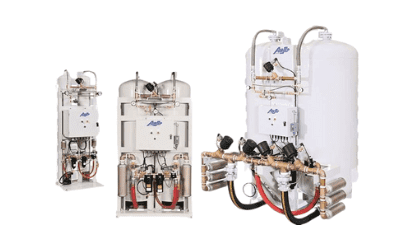
A Hospital Oxygen Generator using PSA (Pressure Swing Adsorption) technology separates oxygen from ambient air and supplies medical-grade oxygen continuously. The system absorbs nitrogen and other gases while allowing purified oxygen to flow into the hospital pipeline system.
This advanced technology allows hospitals and factories to generate oxygen whenever needed, ensuring uninterrupted supply without relying on cylinder deliveries.
Cost Savings and Long-Term Efficiency
One of the biggest reasons hospitals are adopting the PSA Oxygen Generator for Hospital is the significant reduction in long-term costs. Purchasing, transporting, and storing oxygen cylinders can be expensive over time. Hospitals often need hundreds of cylinders each month, especially in large healthcare facilities.
By installing a Hospital Oxygen Generator, medical institutions can produce oxygen at a fraction of the cost. The initial investment in the generator system quickly pays off through reduced cylinder procurement and transportation expenses.
Factories also benefit from this shift. Industries such as metal fabrication, chemical processing, and glass manufacturing require large quantities of oxygen. On-site oxygen generation ensures a stable supply while minimizing production downtime.
Improved Safety and Reduced Risk
Safety is another major factor driving the transition away from cylinders. Oxygen cylinders are high-pressure containers that require strict handling procedures. Improper storage or transportation can lead to accidents, leaks, or explosions.
A PSA Oxygen Generator for Hospital significantly reduces these risks. Since oxygen is produced directly from the surrounding air and stored in controlled systems, the need for handling multiple high-pressure cylinders is eliminated.
Hospitals also benefit from enhanced safety because medical staff no longer need to frequently move or replace heavy cylinders within the facility.
Reliable Oxygen Supply for Critical Care
In hospitals, oxygen is essential for intensive care units, operation theaters, and emergency wards. Any interruption in oxygen supply can have serious consequences. During recent global health crises, many hospitals experienced severe shortages due to delays in cylinder supply chains.
Installing a Hospital Oxygen Generator ensures that oxygen is available 24/7 without depending on external vendors. This reliability is crucial for patient care, especially in critical situations where oxygen demand suddenly increases.
Environmental and Operational Benefits
Another reason why organizations are adopting the PSA Oxygen Generator for Hospital is sustainability. Cylinder transportation requires fuel, vehicles, and logistics infrastructure, which contributes to environmental pollution.
On-site oxygen generation reduces carbon emissions associated with transportation and minimizes the environmental footprint of healthcare and industrial operations.
Operational efficiency also improves because staff members spend less time managing cylinder inventories, ordering refills, and coordinating deliveries.
The Future of Oxygen Supply
In 2026, the healthcare and industrial sectors are focusing on resilience, efficiency, and self-sufficiency. As technology continues to evolve, the Hospital Oxygen Generator is becoming the preferred solution for reliable oxygen supply.
Hospitals benefit from uninterrupted oxygen availability, lower costs, and improved patient safety. Factories gain consistent oxygen supply for production processes without worrying about delivery delays.
The growing adoption of the PSA Oxygen Generator for Hospital reflects a global shift toward smarter and more sustainable oxygen management systems. As awareness increases, more institutions are expected to transition away from traditional cylinders and embrace on-site oxygen generation as the future standard.