Industries and hospitals around the world depend heavily on oxygen and nitrogen gases for various applications. However, the ever-increasing cost of delivered gas cylinders, frequent supply disruptions, and transportation expenses have made traditional gas supply systems unreliable and costly.
If you’re seeking a long-term, sustainable, and cost-effective solution, the answer is simple — on-site Oxygen Generator and Nitrogen Generator systems. These advanced machines allow you to produce gases directly from the air, ensuring 24/7 availability, high purity, and significant cost savings.
The Hidden Costs of Traditional Gas Cylinders
Delivered gas cylinders and liquid tanks might seem convenient, but they come with hidden challenges — rental fees, transport costs, maintenance, and refill delays. Hospitals and industries relying on gas deliveries often face uncertainty, especially during emergencies when supply shortages can halt operations or put lives at risk.
With fuel prices and logistics costs climbing, it’s time to adopt a smarter, more self-reliant approach: on-site gas generation.
How On-Site Gas Generation Works
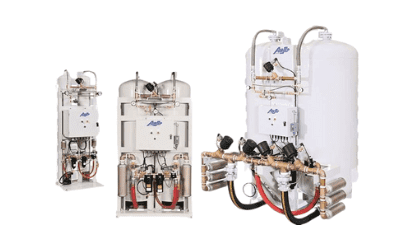
Modern oxygen and nitrogen generators use Pressure Swing Adsorption (PSA) technology to extract gases directly from atmospheric air. This process separates oxygen or nitrogen molecules from other gases, providing high-purity output that meets industrial and medical standards.
By generating gases on-site, businesses can eliminate dependence on external suppliers, reduce operational costs, and maintain continuous production.
Oxygen Generator for Hospitals and Healthcare Facilities
A consistent and dependable oxygen supply is necessary for patient care, surgeries, and emergencies in hospitals. A medical oxygen generator meets WHO and ISO criteria for continuous oxygen production with purity levels up to 93–95%.
Benefits of Medical Oxygen Generator Systems:
- 24/7 continuous oxygen production
- Lower operational and delivery costs
- Safe and easy to maintain
- No reliance on cylinder supply
- Environmentally friendly
Hospitals using medical oxygen generators enjoy uninterrupted care, safety, and long-term savings while reducing their carbon footprint.
Nitrogen Generator for Industrial Applications
Industries such as food packaging, pharmaceuticals, electronics, and laser cutting rely heavily on nitrogen. Delivered nitrogen cylinders are expensive and inconvenient, often leading to downtime during shortages.
Installing an on-site Nitrogen Generator solves these issues by providing nitrogen on demand with purities up to 99.999%.
Advantages of Nitrogen Generators:
- Consistent nitrogen availability
- Eliminates cylinder transportation and handling
- Reduces gas cost by up to 70%
- Delivers high purity for sensitive applications
Sustainable and eco-friendly
From packaging lines to metal processing plants, nitrogen generators offer independence, reliability, and long-term cost control.
Economic and Environmental Impact
Switching to on-site gas generation offers substantial cost savings and environmental benefits. The initial investment is quickly recovered through reduced expenses in delivery, storage, and logistics.
Additionally, eliminating regular gas deliveries reduces carbon emissions, making your facility cleaner, greener, and more energy-efficient.
Why Choose On-Site Gas Generation?
- Reliable 24/7 operation – Always have gases available.
- Lower costs – Save up to 80% on gas expenses.
- Safety – No more handling high-pressure cylinders.
- Scalability – Systems tailored to your demand.
- Sustainability – Reduced emissions and waste.
Final Thoughts
Rising gas prices and supply chain challenges make traditional cylinder systems outdated. On-site oxygen and nitrogen generators provide a dependable, cost-effective, and sustainable alternative.
Whether you’re a hospital needing a medical oxygen generator or an industry requiring consistent nitrogen supply, on-site generation gives you full control — improving productivity while lowering costs.
Frequently Asked Questions (FAQs)
1. Is nitrogen or oxygen more expensive?
Typically, oxygen is less expensive than nitrogen. Nitrogen requires more purification for industrial-grade applications. However, both gases become far more affordable when produced using on-site generators.
2. Can humans take nitrogen directly from the air?
No, humans cannot breathe nitrogen directly. Our bodies exclusively use oxygen, even though the air is composed of around 78% nitrogen. Nitrogen generators are meant for industrial purposes, not for human respiration.
3. How often do oxygen tanks need refilling?
Refilling frequency depends on usage, but hospitals and factories often refill oxygen cylinders daily or weekly. With a medical oxygen generator, refilling is unnecessary — oxygen is generated continuously on-site.
4. Can I fill my own oxygen tank at home?
Filling oxygen tanks at home is not recommended for safety reasons. Instead, using a portable oxygen concentrator or medical oxygen generator ensures safe, continuous oxygen supply without manual refills.
5. What are the alternatives to oxygen cylinders?
The most efficient alternative is an on-site medical oxygen generator. It produces high-purity oxygen directly from ambient air, eliminating the need for costly refills and cylinder management.
6. What is the quickest way to increase oxygen?
For patients, the quickest method is oxygen therapy using concentrators or medical systems. In hospitals or industries, the best way is installing an oxygen generator for an immediate, uninterrupted supply