Oxygen Cylinders
In industries ranging from healthcare to manufacturing, gases like oxygen and nitrogen are essential for daily operations. Traditionally, most facilities rely on oxygen cylinders and nitrogen cylinders delivered by suppliers. While this seems convenient, the hidden costs, safety risks, and operational challenges associated with these cylinders are often underestimated.
Today, many forward-thinking organizations are discovering a smarter, more sustainable alternative — on-site gas generation systems. Before understanding why this shift makes sense, let’s first uncover the real problems with conventional gas cylinders.
1. Hidden Costs of Cylinder Supply
At first glance, cylinder-based gas supply appears simple — you order, receive, and use. However, the true cost goes far beyond the purchase price. Each cylinder delivery involves:
- Transportation charges and handling fees
- Rental costs for cylinder storage
- Losses due to residual gas left unused inside returned cylinders
When you calculate these over months or years, the cost difference between nitrogen cylinders vs generators becomes striking. On-site generators require an initial investment but drastically reduce recurring costs by eliminating deliveries and rentals.
2. Safety Risks and Handling Issues
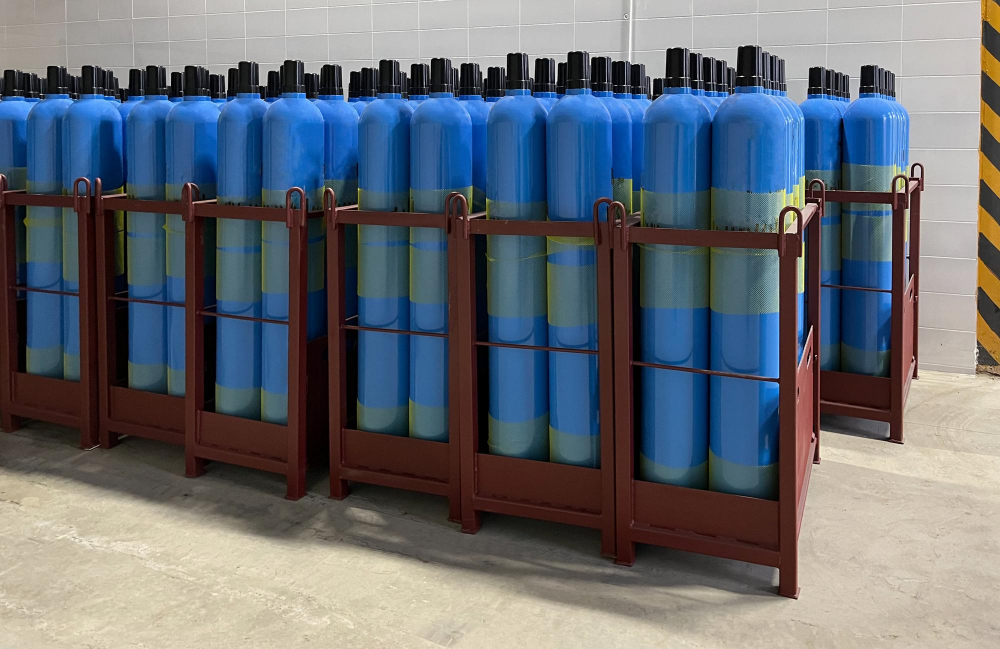
Compressed gas cylinders are extremely high-pressure vessels. Improper handling or damage can lead to serious accidents, leaks, or explosions. Storage rooms must be designed with ventilation and fire safety measures, further increasing infrastructure costs.
Oxygen cylinders, in particular, are highly flammable under certain conditions, requiring strict adherence to safety protocols. In hospitals or laboratories, even a small mistake can put lives and equipment at risk.
On-site gas generators, on the other hand, produce gas at low pressure and on demand, minimizing the need to store large volumes. This significantly enhances safety while maintaining a continuous, reliable gas supply.
3. Frequent Downtime and Unpredictable Supply
Dependence on external suppliers introduces a major vulnerability — supply disruptions. Delays in cylinder delivery can halt production, delay hospital treatments, or compromise research quality.
This challenge became especially evident during the COVID-19 pandemic, when oxygen cylinder shortages affected hospitals worldwide. In critical moments, relying on suppliers proved unreliable. With an on-site oxygen or nitrogen generator, you are in complete control. The system produces gas continuously, eliminating the risk of downtime or shortages.
4. Quality and Purity Concerns
Industries such as pharmaceuticals, electronics, and food processing require gases of precise purity. However, purity can degrade over time inside cylinders or during transportation. Additionally, suppliers might mix cylinders of varying grades to meet urgent demand.
In contrast, on-site generators like PSA (Pressure Swing Adsorption) systems or membrane-based generators ensure consistent purity tailored to your process requirements — whether it’s 95% oxygen for medical use or 99.999% nitrogen for electronics manufacturing.
5. Environmental and Sustainability Impact
Every cylinder delivery contributes to carbon emissions through transportation and production. The cycle of refilling, transporting, and replacing thousands of cylinders annually leaves a significant carbon footprint.
By switching to on-site generation, industries can drastically reduce emissions and align with sustainability goals. Producing gas directly where it’s needed means no trucks, no cylinder waste, and no environmental pollution from refilling operations.
6. Comparing Nitrogen Cylinders vs Generators
Let’s take a closer look at the practical comparison of nitrogen cylinders vs generators:
| Feature | Nitrogen Cylinders | Nitrogen Generators |
| Cost | High recurring costs | One-time investment, low operating cost |
| Safety | High-pressure risk | Low-pressure, safe operation |
| Purity | Variable | Consistent and controllable |
| Supply Reliability | Depends on vendor | Continuous and on-demand |
| Environmental Impact | High carbon footprint | Eco-friendly and sustainable |
It’s clear that the generator option wins on all fronts — economy, safety, and performance.
7. The Smarter Alternative: On-Site Gas Generation
Modern on-site gas generators are compact, automated, and easy to maintain. They can produce both oxygen and nitrogen from ambient air with minimal power consumption.
Hospitals, food processors, and manufacturers are increasingly adopting these systems for the freedom and control they provide. No more dependency on suppliers, no delays, no unexpected price hikes — just uninterrupted gas supply at your fingertips.
Conclusion
The traditional gas cylinder model may seem familiar, but it’s far from efficient. Between high costs, safety risks, and inconsistent supply, the drawbacks are too significant to ignore.
When comparing nitrogen cylinders vs generators, or relying on oxygen cylinders versus on-site generation, the smarter choice is clear. On-site gas generation offers long-term savings, reliability, and sustainability — all while ensuring a safer working environment.
It’s time to move beyond the cylinder era and embrace a future where your gas supply is produced, controlled, and optimized right at your facility.