PSA Oxygen Generator and Manufacturers
When it comes to ensuring a reliable medical oxygen supply, hospitals often face a key decision — whether to continue with traditional oxygen cylinders or switch to an on-site PSA Oxygen Generator. While cylinders have been the conventional choice for decades, advancements in oxygen generation technology have made PSA systems a more cost-effective and sustainable solution. This article provides a complete cost comparison between oxygen cylinders and PSA oxygen generators for hospitals.
Understanding the PSA Oxygen Generator System
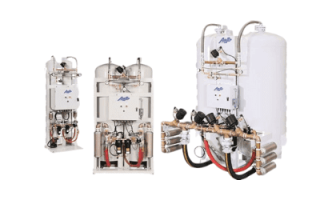
A Pressure Swing Adsorption Oxygen Generator is an advanced on-site oxygen generation system that separates oxygen from atmospheric air using a zeolite-based molecular sieve. The generator provides medical-grade oxygen (typically 93% ±3% purity) directly to hospital pipelines. Unlike cylinders, it eliminates the dependency on suppliers and reduces recurring logistic costs.
Hospitals using PSA systems can produce oxygen on demand, ensuring uninterrupted supply during emergencies, pandemics, or high-demand periods — a significant advantage over the cylinder-based model.
Cylinder-Based Oxygen Supply: The Traditional Model
Traditionally, most hospitals rely on refilled oxygen cylinders delivered by third-party suppliers. Each cylinder contains a fixed volume of oxygen and needs to be replaced or refilled regularly. This approach involves not just the oxygen cost but also additional expenses for cylinder rental, transportation, handling, and safety compliance.
Moreover, fluctuating market prices and supply chain disruptions — especially during critical times like the COVID-19 pandemic — have exposed the limitations of cylinder dependency. Hospitals often face delayed deliveries and rising operational costs.
Cost Comparison: Pressure Swing Adsorption Oxygen Generator vs Oxygen Cylinders
- Initial Investment
Installing a Pressure Swing Adsorption Oxygen Generator requires an upfront capital investment. However, it is a one-time cost that pays for itself within 1 to 2 years through savings on cylinder refills and logistics. In contrast, the cylinder system has minimal setup costs but incurs continuous recurring expenses.
Pressure Swing Adsorption Oxygen Generator Setup Cost: ₹25–40 lakh (depending on capacity)
Cylinder System Setup Cost: Minimal (mainly manifold and pipeline)
- Operational & Maintenance Cost
A PSA oxygen system has lower operational costs — mainly electricity and routine maintenance. Cylinders, however, require continuous refilling and transport.
PSA Generator Operating Cost: ₹10–15 per cubic meter
Cylinder Oxygen Cost: ₹25–35 per cubic meter (including refilling, transport, and handling)
In comparison to cylinders, PSA systems can eventually save oxygen costs by over 60–70%.
- Oxygen Availability and Reliability
The PSA Oxygen Generator produces oxygen 24/7, ensuring a continuous and reliable supply directly to hospital wards and ICUs. Cylinder-based systems depend heavily on external vendors, leading to potential delays or shortages, especially during crises.
- Safety and Space Utilization
Handling and storing multiple high-pressure cylinders pose significant safety risks. PSA systems, being stationary units, are safer, require less manpower, and occupy comparatively less operational space.
Environmental and Sustainability Benefits
A PSA Oxygen Generator is an eco-friendly solution as it eliminates fuel-based transportation and cylinder refilling processes that contribute to carbon emissions. Hospitals adopting PSA systems also align better with sustainable healthcare practices and green initiatives.
Return on Investment (ROI) and Long-Term Benefits
Hospitals investing in PSA Oxygen Generators typically recover their initial investment within 12 to 18 months, depending on oxygen consumption volume. Beyond cost savings, the system offers long-term reliability, independence from suppliers, and continuous medical oxygen production — essential for patient safety.
Conclusion
When comparing cylinders vs PSA Oxygen Generators, the latter clearly emerges as the cost-effective and future-ready option for hospitals. Despite the initial setup investment, the PSA system ensures consistent oxygen supply, substantial operational savings, enhanced safety, and environmental benefits.
For hospitals seeking sustainability, autonomy, and long-term economic advantages, switching to a PSA Oxygen Generator is not just a choice — it’s a strategic healthcare investment.
FAQs on Pressure Swing Adsorption Oxygen Generator Cost Comparison
1. What is a PSA Oxygen Generator used for in hospitals?
A PSA Oxygen Generator is used to produce medical-grade oxygen on-site, ensuring a continuous and reliable oxygen supply for hospital patients.
2. How does a Pressure Swing Adsorption Oxygen Generator reduce hospital costs?
Hospitals can save up to 70% on oxygen costs each year by doing away with the ongoing expenditure of transporting and refilling oxygen cylinders.
3. What is the average lifespan of a PSA Oxygen Generator?
A well-maintained PSA Oxygen Generator can last 10–15 years, offering long-term operational savings and consistent oxygen output.
4. Is the oxygen purity from a PSA Oxygen Generator suitable for medical use?
Yes, it provides 93% ±3% pure oxygen, which meets the medical standards required for hospital and clinical applications.
5. How soon can a hospital recover the investment in a PSA Oxygen Generator?
Most hospitals achieve return on investment within 12–18 months, thanks to reduced dependency on costly oxygen cylinders.
6. Can small or medium-sized hospitals use a PSA Oxygen Generator?
Yes, PSA systems come in various capacities, making them ideal for small, medium, and large hospitals based on oxygen demand.
7. Why should hospitals switch from cylinders to PSA Oxygen Generators?
Switching ensures cost efficiency, continuous supply, safety, and environmental sustainability, making it a smarter and future-ready choice.